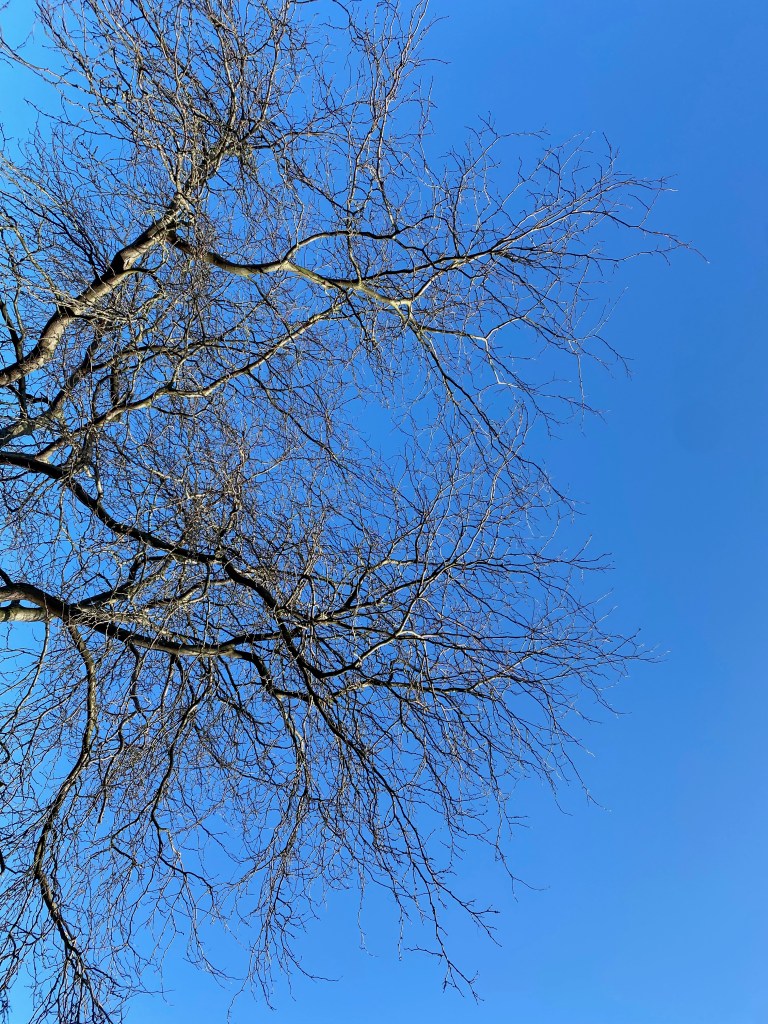
It was one of those lovely winter afternoons – a weak warm sun low in the blue sky, casting a beautiful golden light over everything. I took a walk to the allotment, listening to lovely acoustic guitar music on my headphones and occasionally stopping to drink in the big blue sky and feel the warmth of the sun on my face.
A few hardy plants braving the winter
The daffodils are coming up – about 4 inches high now and only a few short weeks until they start to flower. I love their promise of spring; it’s not too far away now, the days are getting longer already.
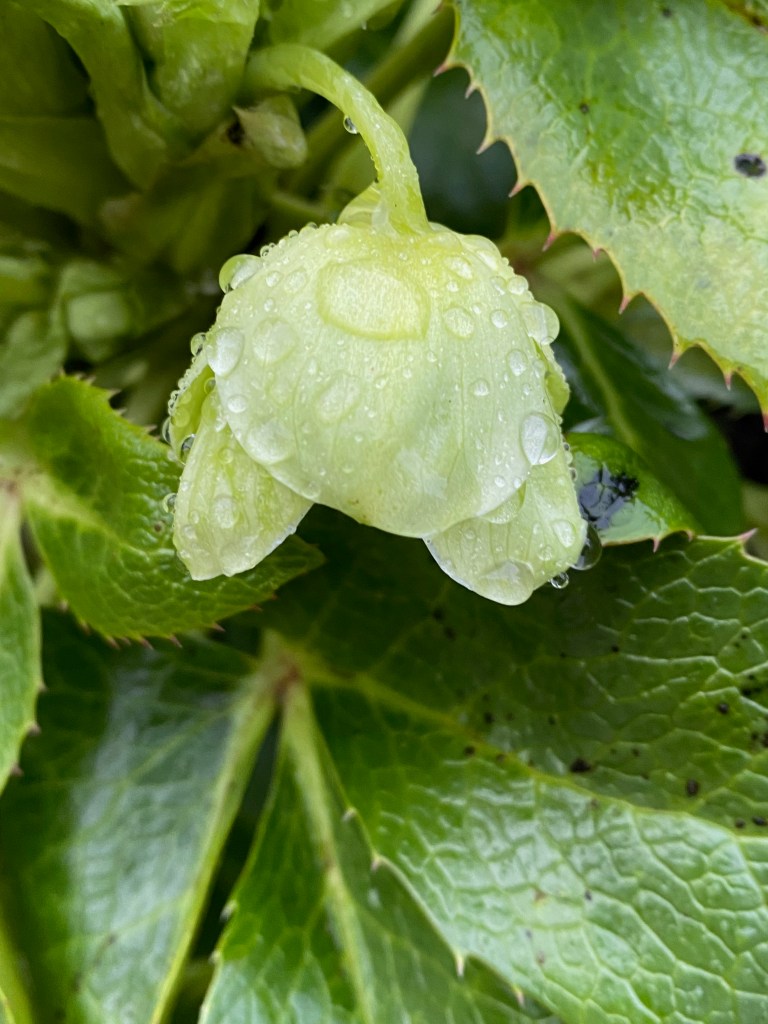
The hellebores are flowering. I love hellebores – they look so fragile and delicate but of all the times of year to flower they pick the cruellest, harshest month of the year and then bravely stand there, whatever the weather. A gentle, beautiful, strong ‘screw you’ to the harshest, coldest and darkest of times.
I find these hardy beauties nothing short of inspiring at a time of year when the dark and cold can really get to me. Their flowers are always welcome – beautiful in themselves and also a lovely hint of the many more flowers to follow in spring and a promise that longer, warmer days aren’t too far away.
Somehow, despite the short dark days and cold weather, a few hardy winter plants on the allotment are growing: the broad beans are noticeably taller each week, standing stout against the wind and rain; winter lettuces continue to grow more and bigger leaves; garlic and onions slowly reach up their little vertical masts; black kale continues putting forth its delicious frost-proof leaves.
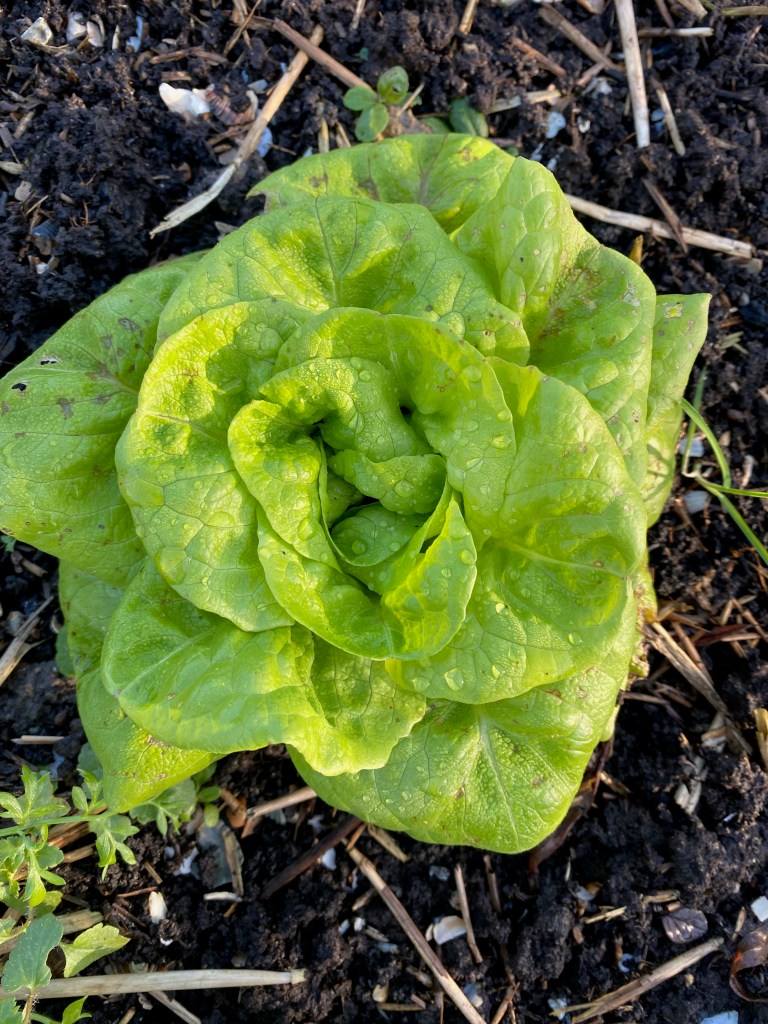
Winter lettuce, planted out in autumn for early spring harvest
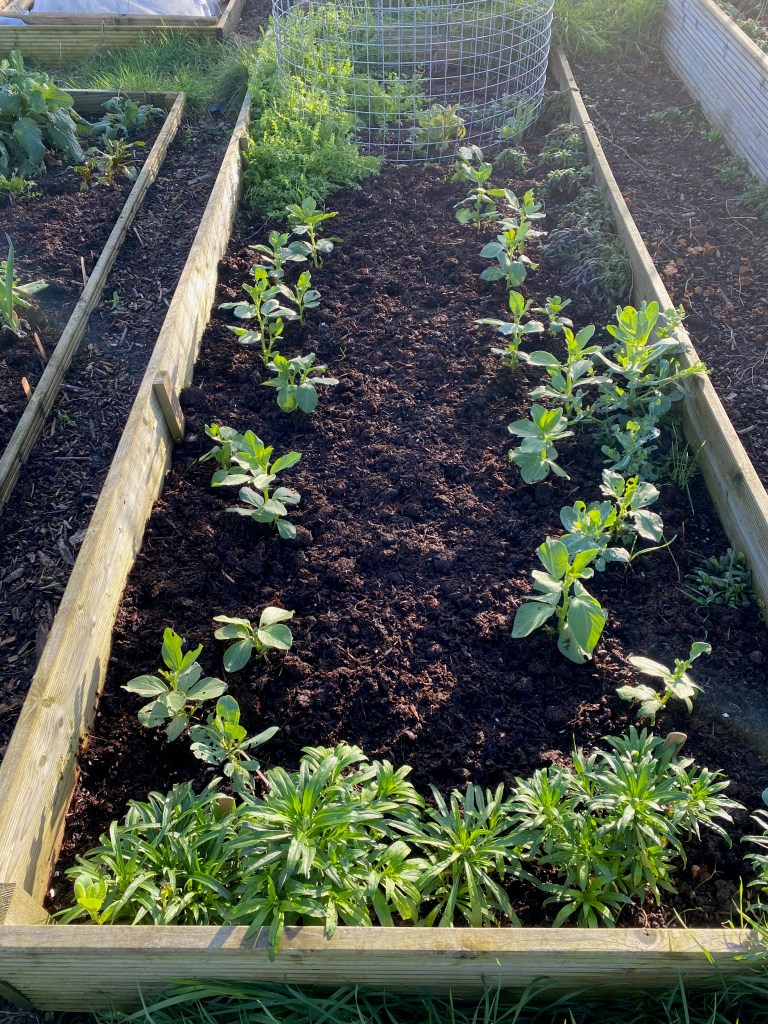
A new fruit bed
The fruit bed we built in the autumn is looking great – I’m really chuffed to have got this done and can’t wait to see how the raspberry, blueberry, strawberry and blackcurrants get on.
This area used to be overgrown with willow and weeds, after an attempt to make a willow fence around a flower bed got a bit out of control a few years ago and then sat looking too intimidating to tackle and provoking guilt and self-criticism every time I looked at it for a few years more. It had also become a bit of a dumping ground for bits of metal, broken planters, empty bottles and the like.
The soil is really good though – it was a mounded pile of composted grass turf I made when I first got the plot and tried to remove the couch grass and make space for planting. Turns out if you do that, and then leave it a few years, it turns into lovely crumbly soil.
So, last autumn, we cut down the willow, removed the weeds and bits of rubbish, and built a new bed using scaffolding planks for the sides. It felt great to get it done, as it always does when a procrastinated task finally gets taken on. (Note to self – a note I’ve made many times before, admittedly: less procrastination and guilt, more just getting on with things…)
I’m trying not to be impatient to get to next year, because I know there won’t be much fruit in the first year – the first year is all about putting down roots and settling in. I’ve given the plants a lovely thick mulch of rotted manure and filled the space at the front of the bed, in between the blueberry bushes, with bulbs, wallflowers and a few spare strawberry plants – they at least should give something to enjoy this year.
The rest of the strawberries are in a planter made from old pallets filled with ericaceous compost and soil from the raised bed – a project I’ve been meaning to do for ages and finally got around to in the autumn. The hard bit was dismantling the pallets – it’s pretty straightforward to assemble the planter once you have all the pieces. I followed instructions from another blogger, which were really clear and worked really well.

Soil that makes my heart sing
What really made my heart sing today was the soil – there are lovely big mounds of wormcasts in my no-dig beds; and a bed I mulched with 2-3 inches of rotted manure last spring has incorporated it all and now has a lovely crumbly tilth, full of worms and all kinds of life – the sort of soil condition I couldn’t have dreamed of seeing, much less creating, when I used to dig my heavy clay soil.
In my digging days, the heavy soil used to form into huge clods which would then dry out to a solid stone in the dry weather, and if I managed to break it down it would then form a cap if it rained, making it difficult for air, water and life to get in our out. I thought the answer was more digging; turns out the best thing to do is leave a lovely thick mulch on top and let the worms and other critters do the rest.
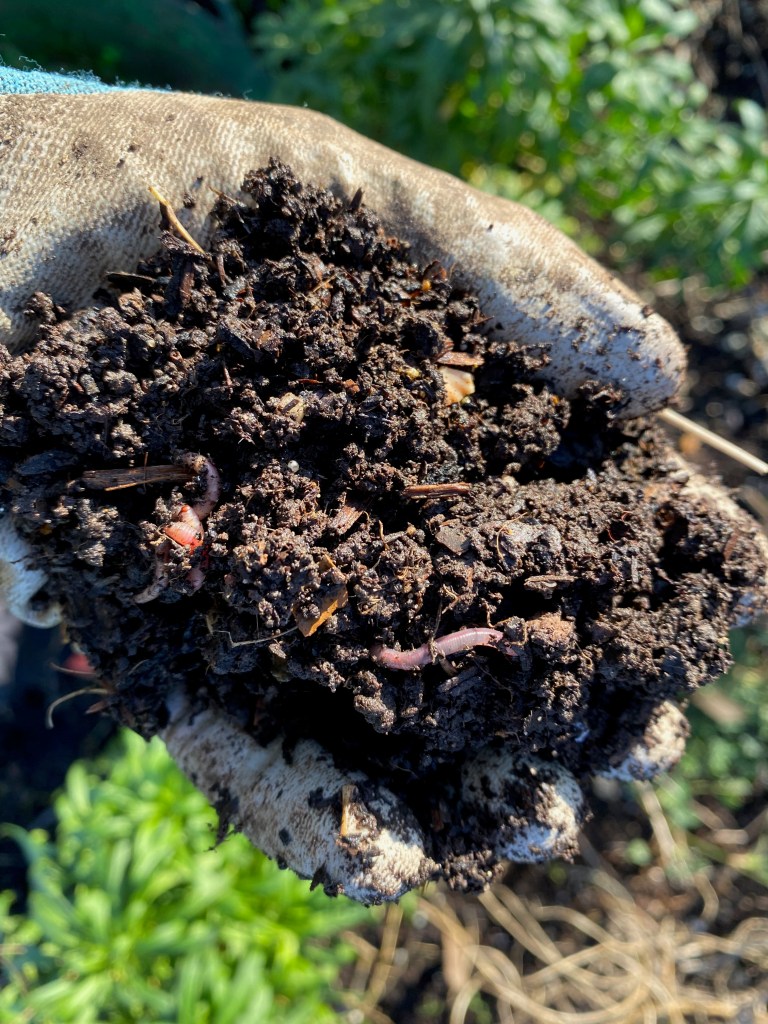
I’m hopeful that this year the no-dig beds will really come into their own – it will be the second full year of operation, they had a lot of compost and manure added last year and I have a ton in the shed ready to take up to the plot and apply once the ground is dry enough for a wheelbarrow.
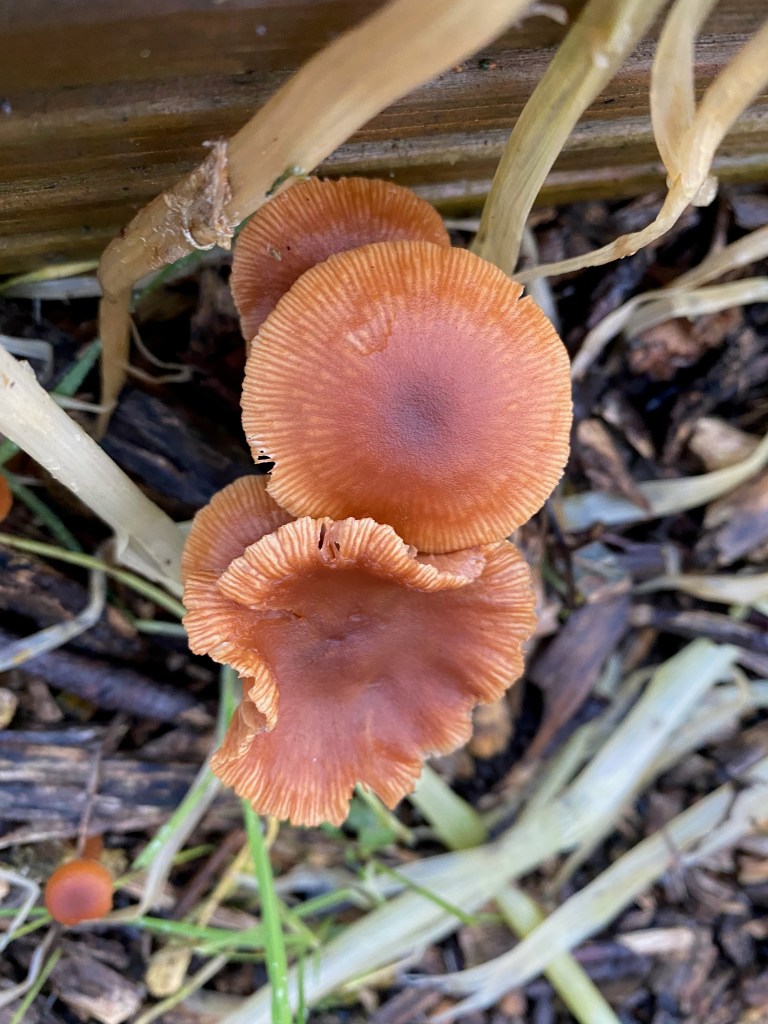
By now, the beds should have settled down, and the soil should have started to recover. It looks that way, from the surface tilth, the population of worms and based on the amount of fungi I’ve seen growing in the beds and on the paths between the beds over winter, which is much more than I’ve seen before by a long way.
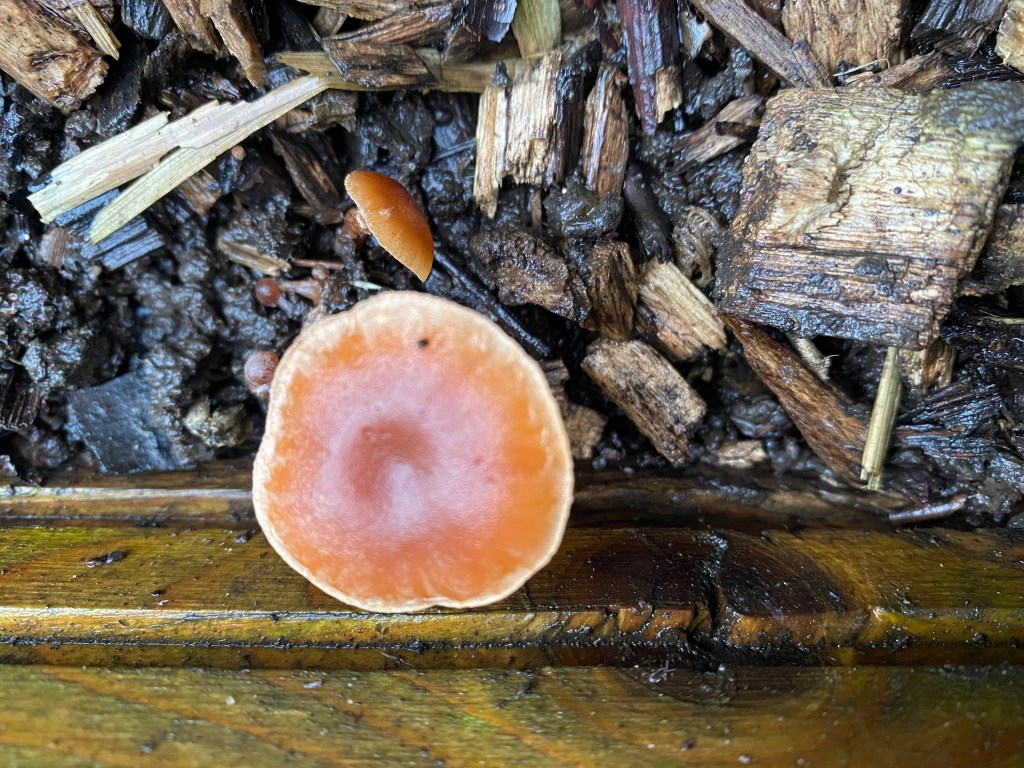

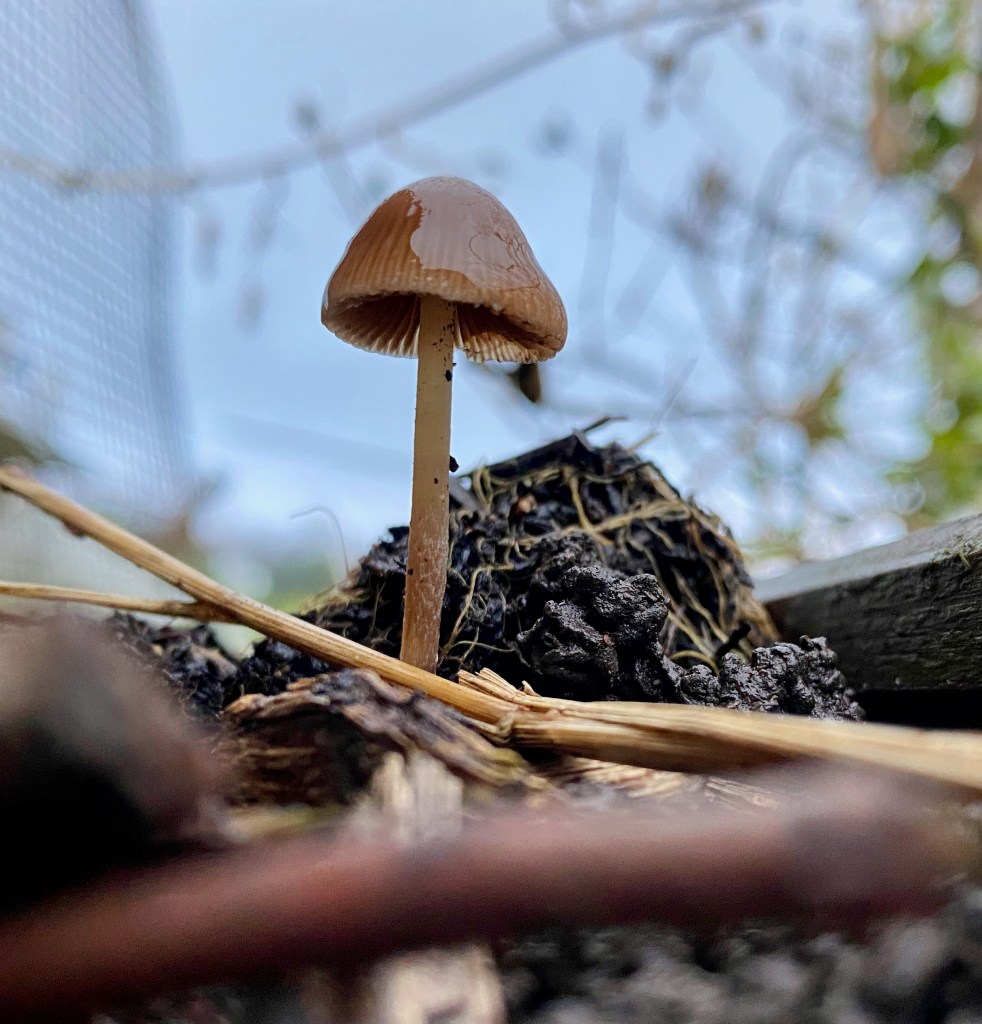
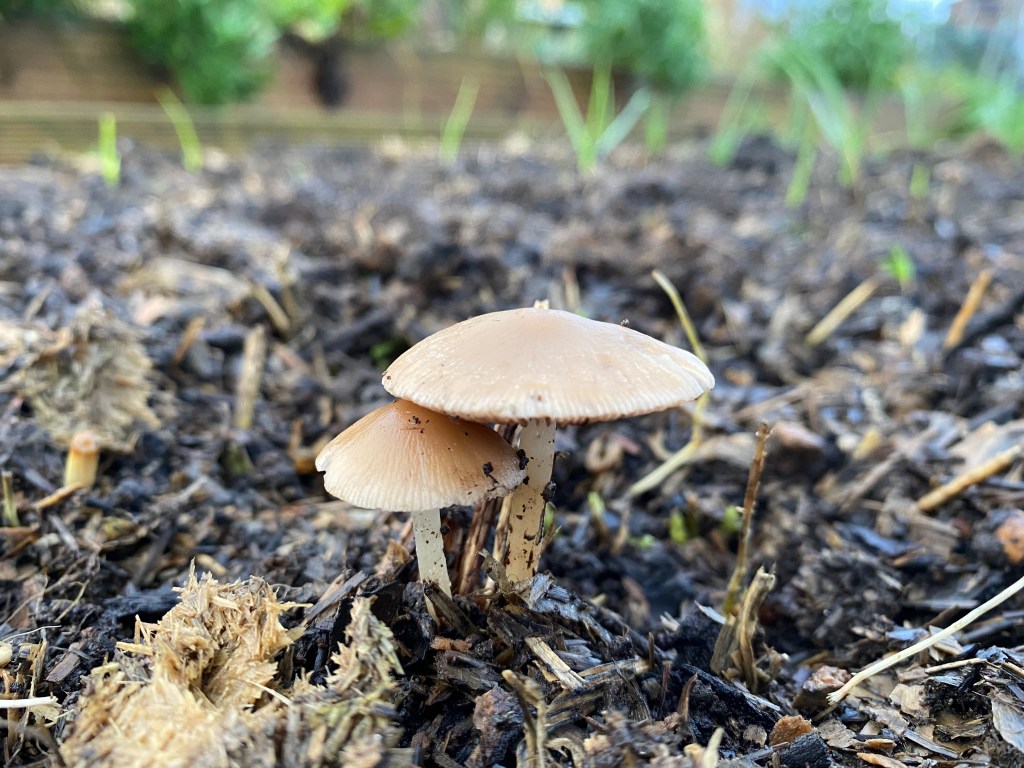

 Keeping the Plot